← All solutions

Build 06

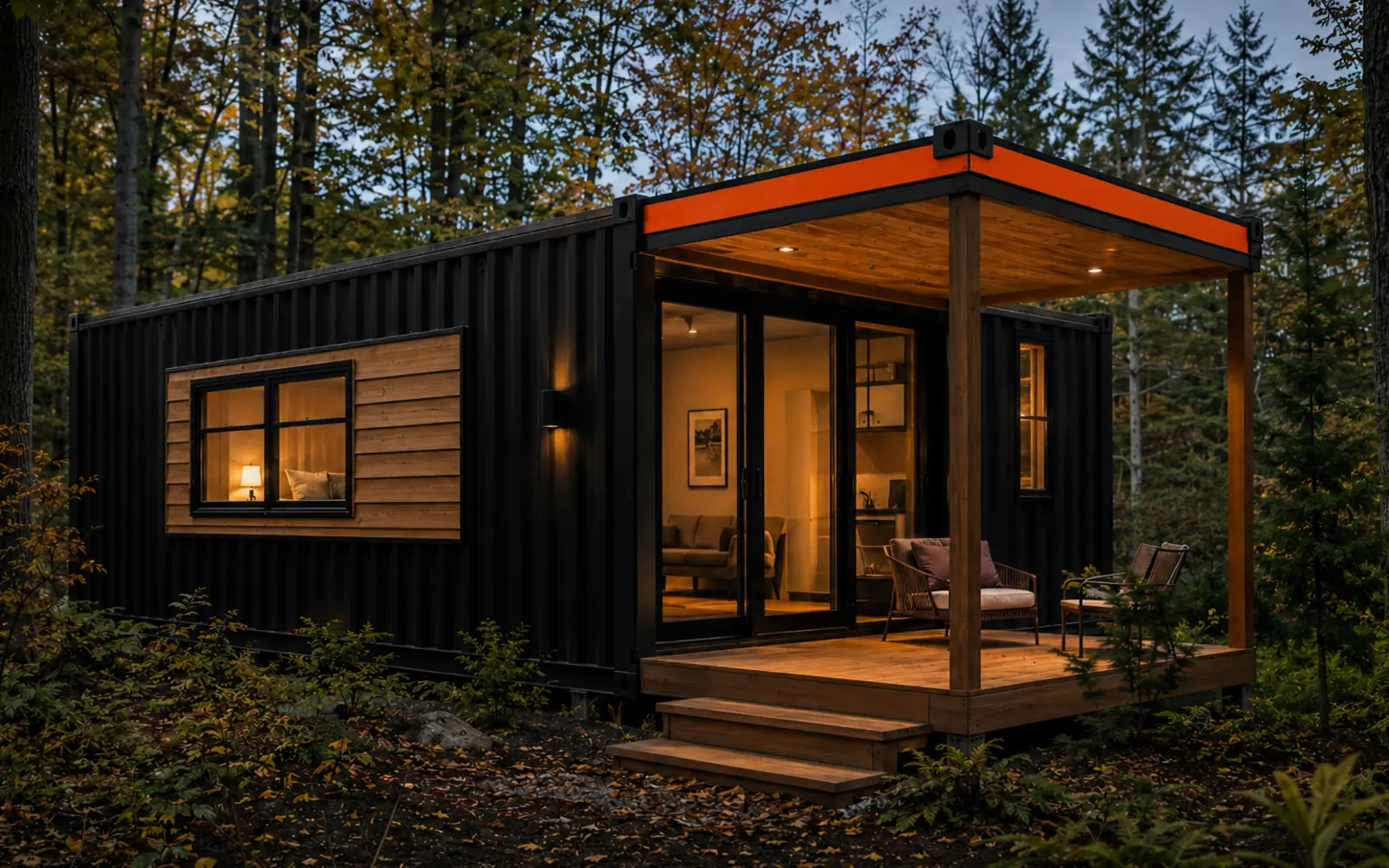
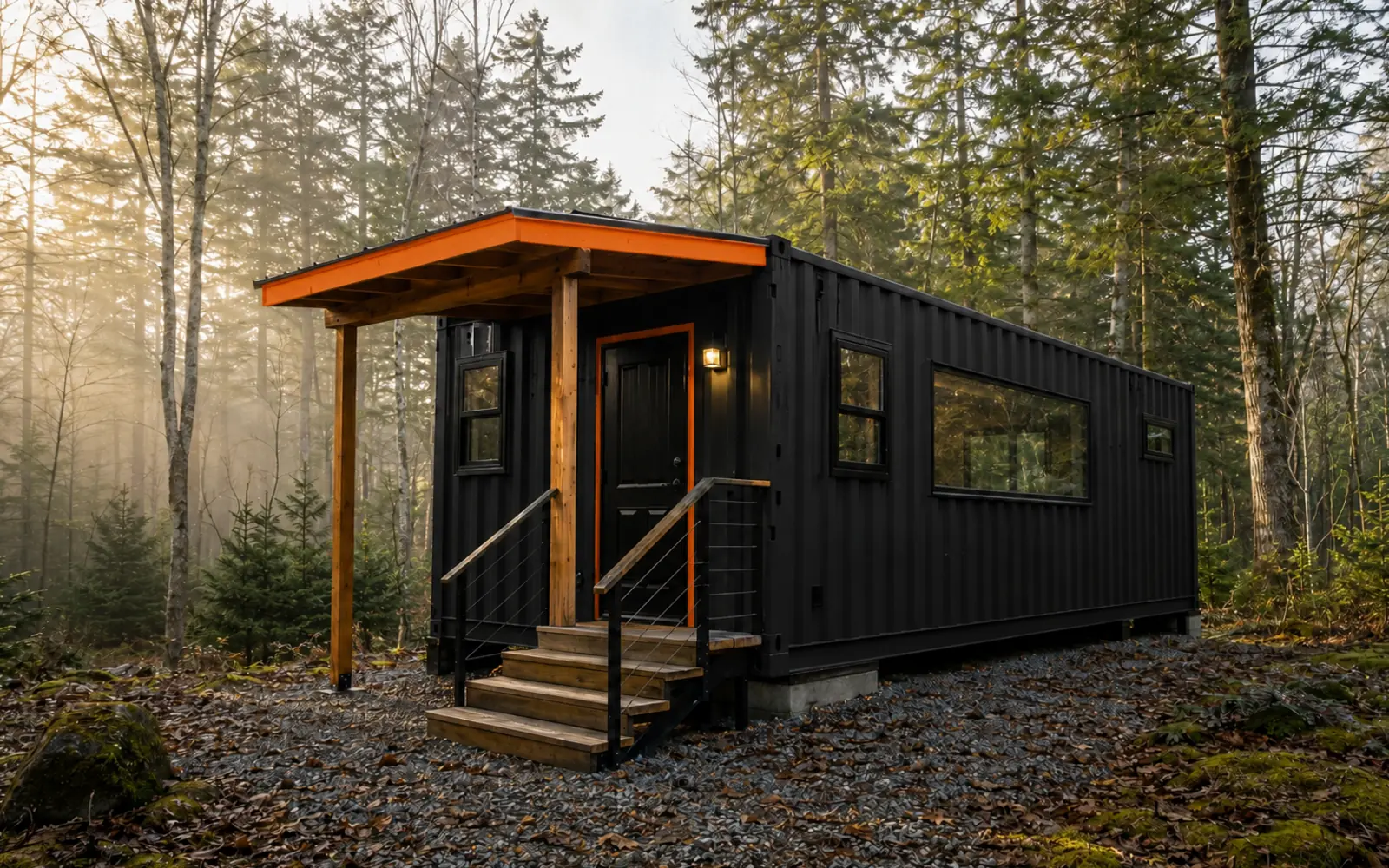
Hunting Containers

Rugged shelter built for remote ground.

Secure field structures configured for storage, observation, overnight use, and the realities of off-grid recreational properties.

Request a quote Typical project range$10k–$25k
Hunting Containers built by The Mod Shop
CUSTOM MODIFICATION PACKAGE
MOD SHOP / 06Hunting ContainersDesigned + fabricated in New Jersey
STRUCTURECorten steel shell
DESIGNApplication specific
FABRICATIONMonroe, New Jersey
DELIVERYNortheast service

Built around the job

Configured for how you’ll actually use it.

Every Mod Shop project is scoped around the site, people, systems, and operating conditions it needs to support.

01

Common applications

  • Hunting clubs
  • Outfitters
  • Private recreational land
  • Remote equipment storage
02

Core features

  • Secure steel shell
  • Insulated interior options
  • Strategic window placement
  • Weather-resistant finishes
  • Locking personnel access
  • Ventilation and electrical readiness
03

Popular options

  • Observation windows
  • Bunk and storage layouts
  • Solar-ready wiring
  • Wood-stove provisions
  • Camouflage coatings
  • Elevated placement coordination

Custom container expertise

Hunting Containers designed and built in New Jersey.

A custom hunting container provides a secure, weather-resistant base for remote recreational land. The Mod Shop builds hunting containers in New Jersey for clubs, outfitters, private landowners, and property managers who need dependable equipment storage, observation space, seasonal shelter, or a compact field cabin.

01

A secure base for remote property

Steel container construction helps protect gear, tools, maintenance supplies, and seasonal equipment when the property is unattended. Interior storage, racks, partitions, work surfaces, and locking personnel access can be arranged around the equipment that must remain organized and dry.

For observation or field use, window placement should reflect terrain, approach, privacy, solar exposure, and interior activity. Openings can include secure glazing, shutters, screens, or protective features appropriate to the project.

  • Hunting clubs and outfitters
  • Private woodland and recreational acreage
  • Remote equipment and maintenance storage
  • Seasonal shelter and field operations
02

Comfort and off-grid readiness

Insulation, ventilation, heating provisions, durable finishes, and strategic daylight can make a rugged shell more usable during long days or overnight stays. Layouts may incorporate bunks, seating, storage, a compact work area, or a protected entry depending on the intended use.

Remote sites may benefit from solar-ready wiring, battery and equipment space, low-load lighting, water storage planning, or approved heating provisions. Any fuel-burning appliance, electrical system, sanitation component, or occupied use must be designed and installed in accordance with applicable safety and code requirements.

03

Plan for access before fabrication

Rural delivery routes can be as important as the container design. Road width, turns, bridges, overhead branches and utilities, grade, ground bearing conditions, crane or tilt-bed access, and final orientation should be reviewed before the build is completed.

The project scope also considers weather exposure, exterior coating, foundation or support points, seasonal access, security expectations, and future relocation. Clear site information helps us recommend a practical footprint and delivery strategy.

Frequently asked

Hunting Containers FAQs.

Answers to common planning questions. Final requirements depend on the application, site, and local authorities.

Can a hunting container be insulated?+

Yes. Insulation, interior lining, ventilation, windows, and heating or cooling provisions can be configured for the expected seasons and use.

Can it include bunks and storage?+

Bunk platforms, cabinets, equipment racks, benches, partitions, and other compact interior features can be incorporated.

Can the unit be prepared for solar power?+

Solar-ready wiring, equipment mounting areas, battery storage considerations, and efficient lighting can be planned, with final system design by qualified providers.

How is a container delivered to remote land?+

Delivery may use a tilt-bed, crane, or other equipment depending on access and placement. Route, grade, clearances, and ground conditions should be assessed early.

Best fit

Clubs, guides, and landowners who need a dependable base that stands up to weather, distance, and seasonal use.
Discuss your build

Keep exploring

More ways to modify.