
← All industries
Energy systems
Generator Units + Power Systems
Protected power equipment with serviceability built in.
Custom generator enclosures, power modules, controls rooms, and equipment containers developed around ventilation, access, acoustics, and safety.
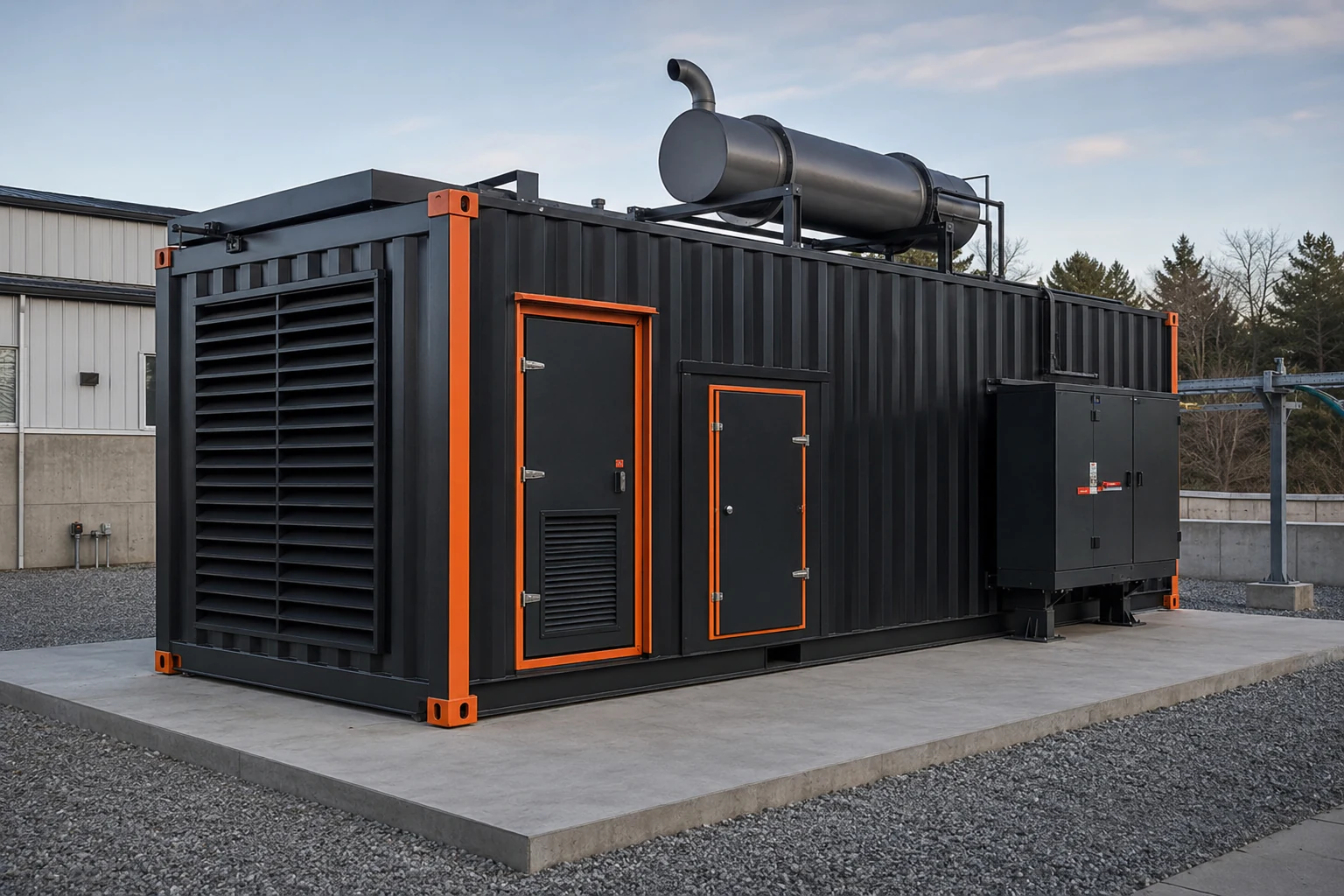
Built around the operation
Protected power equipment with serviceability built in.
A generator enclosure has to protect critical equipment without trapping heat, exhaust, noise, or maintenance access. The Mod Shop fabricates container-based generator enclosures, power modules, controls rooms, and equipment shelters around the selected generator, fuel approach, electrical distribution, environmental conditions, and service plan.
Operating priorities
Decisions that shape the build.
A useful modular unit starts with the site, workflow, equipment, people, and approval path—not a one-size-fits-all floor plan.
01
Design the enclosure around the actual equipment
Generator make, model, output, dimensions, radiator arrangement, airflow, exhaust, fuel, controls, lifting requirements, and maintenance intervals should be known before openings are cut. Equipment clearances and removal paths are as important as fitting the unit inside. Personnel doors, removable panels, roll-up doors, louvers, radiators, silencers, and cable zones must work together.
The structural plan should account for concentrated equipment loads, vibration isolation, openings, anchorage, lifting, and transport. A qualified engineer and the equipment manufacturer should establish the design criteria.
02
Manage air, heat, exhaust, fuel, and sound
Combustion engines produce carbon monoxide, heat, noise, and vibration. Generator units must be located and ventilated so exhaust cannot enter occupied spaces or air intakes. Exhaust routing, radiator discharge, makeup air, acoustic attenuation, and weather protection require coordinated engineering; adding louvers without airflow analysis is not enough.
Fuel type and storage introduce additional requirements for piping, containment, fire separation, leak detection, access, and environmental protection. The project team should define spill control and emergency shutdown procedures before fabrication.
- Equipment-specific ventilation openings
- Service and removal access
- Protected electrical and controls zones
- Acoustic and weather treatment options
03
Deliver a serviceable power asset
A critical power system must be inspectable and maintainable. Lighting, walking clearances, access doors, drain paths, lifting provisions, replaceable filters, and visible controls can reduce maintenance risk. Exterior panels should clearly separate routine operation from authorized service areas.
Electrical, fire, fuel, environmental, noise, structural, and siting requirements vary. Installation and operation must follow manufacturer instructions, applicable codes, qualified engineering, and the authority having jurisdiction. Never operate combustion generators in occupied or inadequately ventilated spaces.
Common applications
Where these units go to work.
Every application is configurable. Size, openings, interior partitions, utilities, equipment, finishes, access, and delivery planning are matched to the project.
- 01Standby generator enclosures
- 02Temporary power modules
- 03Microgrid support
- 04Controls rooms
- 05Utility equipment shelters
- 06Remote power systems
Recommended platforms
Strong starting points for your scope.
Choose a product series or a proven solution, then configure it around your site and operation.
GEN SERIES
GEN Series
Modification packages for doors, windows, refurbishment, lighting, and temperature control.
Explore series ↗BIZ SERIESBIZ Series
Office containers and security booths.
Explore series ↗CUSTOM BUILDRoll-Up Door Units
Container storage made more practical with professionally reinforced, smooth-operating roll-up access exactly where you need it.
Explore build ↗CUSTOM BUILDOffice Containers
Turn durable steel into a comfortable, professional workspace configured around your crew, workflow, and site.
Explore build ↗Project questions
What teams ask before they build.
Can any generator be placed inside a shipping container?+
No. The enclosure must be designed around the specific generator’s airflow, heat rejection, exhaust, fuel, clearances, weight, vibration, and maintenance needs.
Can a container reduce generator noise?+
Acoustic treatments, silencers, isolated mounts, attenuated air paths, and enclosure detailing can reduce noise, but performance requires project-specific acoustic and airflow design.
Can the unit be delivered with the generator installed?+
That depends on equipment weight, transport limits, lifting, fuel systems, commissioning scope, and project responsibilities. These requirements should be established during quoting.
Related industries
Explore connected applications.
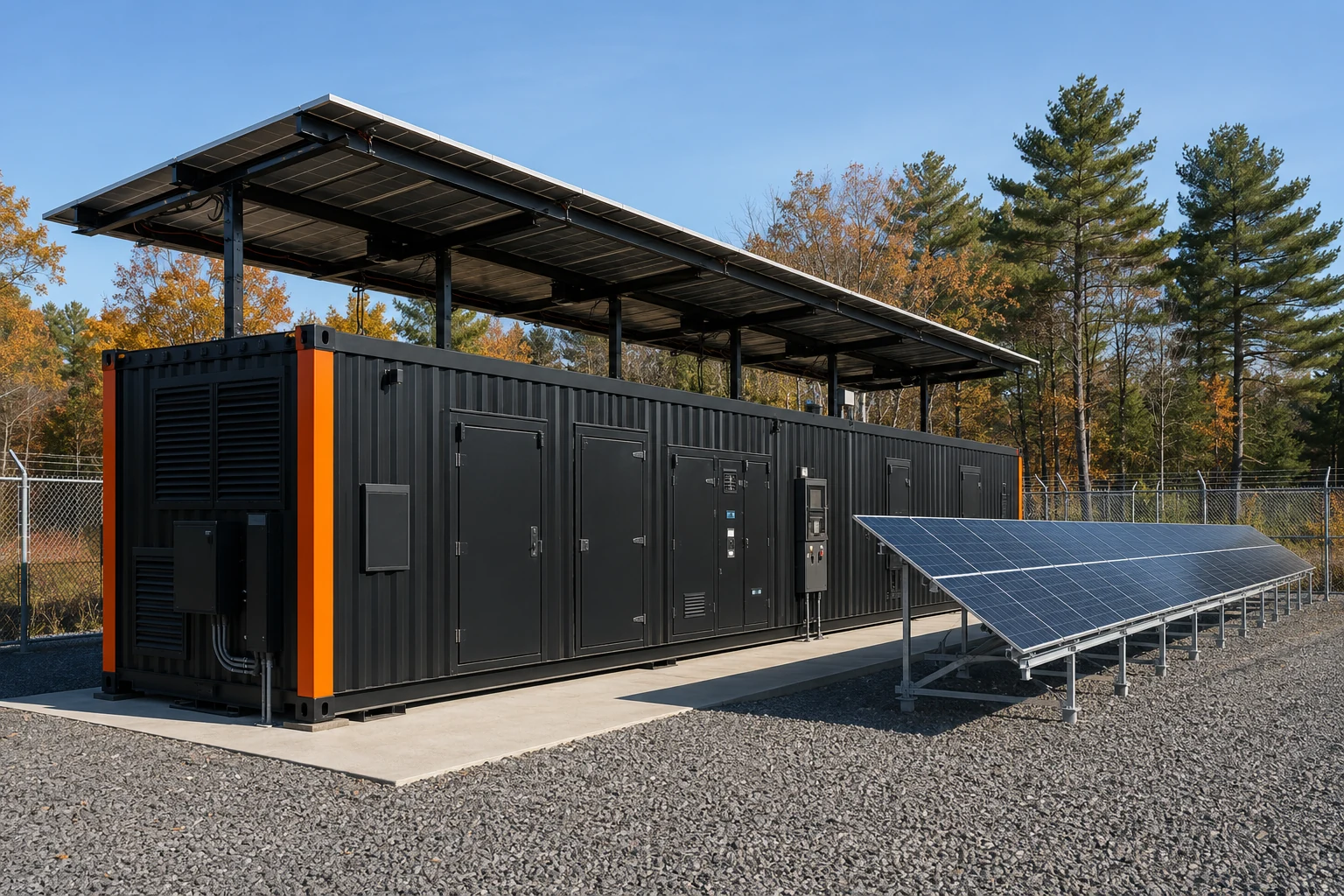
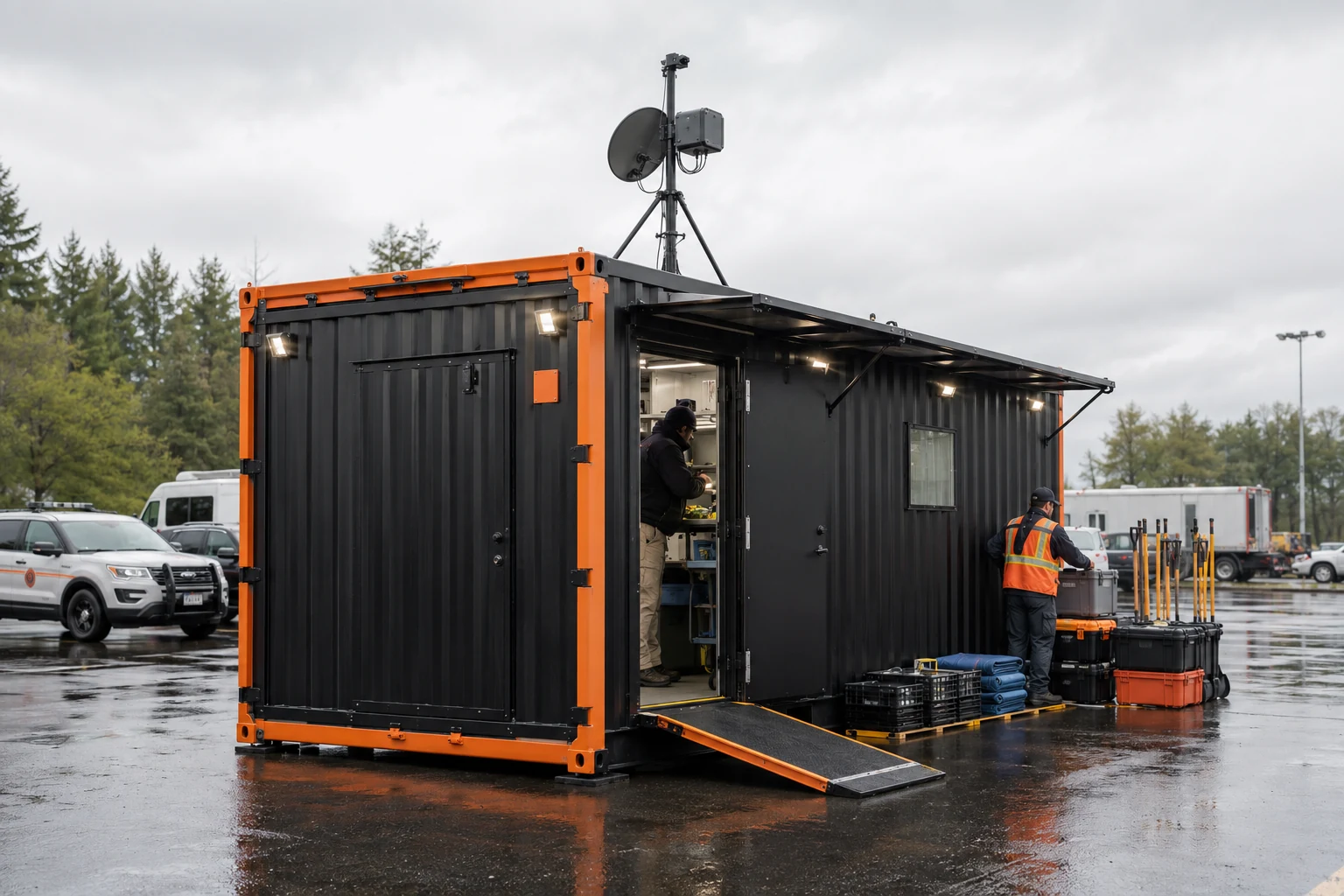
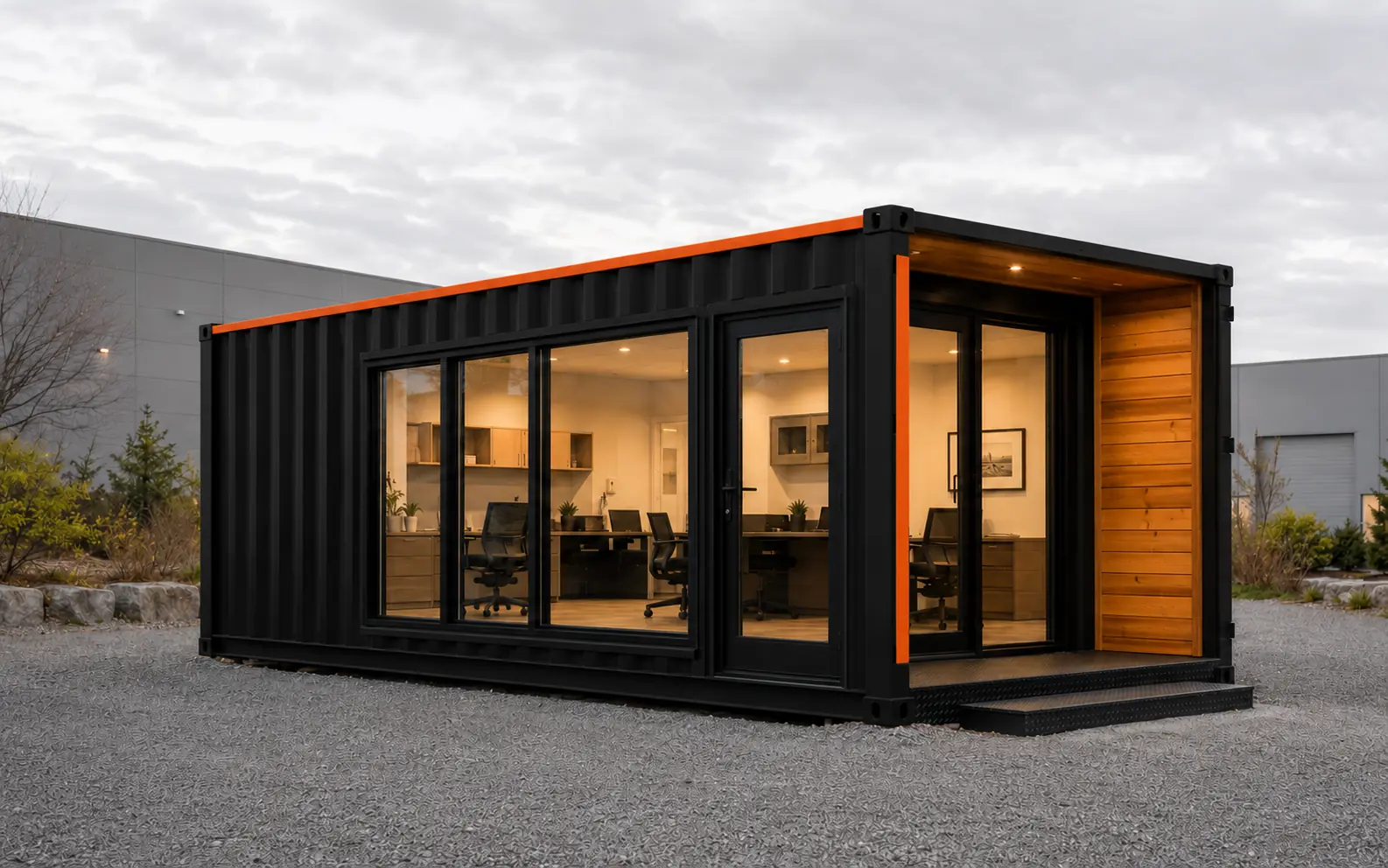
Start with the operation
Tell us what the unit must do, where it will work, and what it needs to support.Plan your project ↗